Automated SEO Reports: The Complete Guide
What Are Automated SEO Reports and Do You Actually Need Them?
Automated SEO reports are scheduled, software-generated documents that pull live data from your website, Google Search Console, and analytics platforms to show rankings, traffic, and technical health, without manual work. Agencies using automation save 10 or more hours per month per client and deliver more consistent, accurate reporting than any manual process allows.
You built your agency to grow clients, not to copy-paste rank tracking data into Google Slides every Friday afternoon.
Yet that's exactly where most agency owners and in-house marketers are stuck. They're spending the equivalent of a full workday each month just assembling reports, before any actual strategy work happens.
Automated SEO reports eliminate that entirely. Here's everything you need to know about how they work, what they should include, and which tools are worth your money in 2026.
What are automated SEO reports and why do you need them?
Automated SEO reports are recurring, data-driven documents generated by software that pulls live metrics from your SEO stack, rankings, organic traffic, backlinks, Core Web Vitals, and delivers them on a schedule without manual input.
The "why" is simple math. If you manage 10 clients and spend 90 minutes per client per month on reporting, that's 15 hours gone. At a $150/hr effective rate, you're burning $2,250 monthly on work a tool can do in 3 minutes.
Beyond time savings, automated reports reduce human error. Manual reports introduce inconsistencies, different date ranges, forgotten metrics, copy-paste mistakes. Automated systems pull from the same data sources every time, creating an audit trail clients can trust.
In 2026, there's a second reason automated SEO reports matter: AI visibility. Search is no longer just Google. ChatGPT, Perplexity, and Claude are sending referral traffic, and most reporting tools don't track that yet. The best automated SEO report tools now include AI citation tracking alongside traditional rank data.
How to automate SEO reporting for your website?
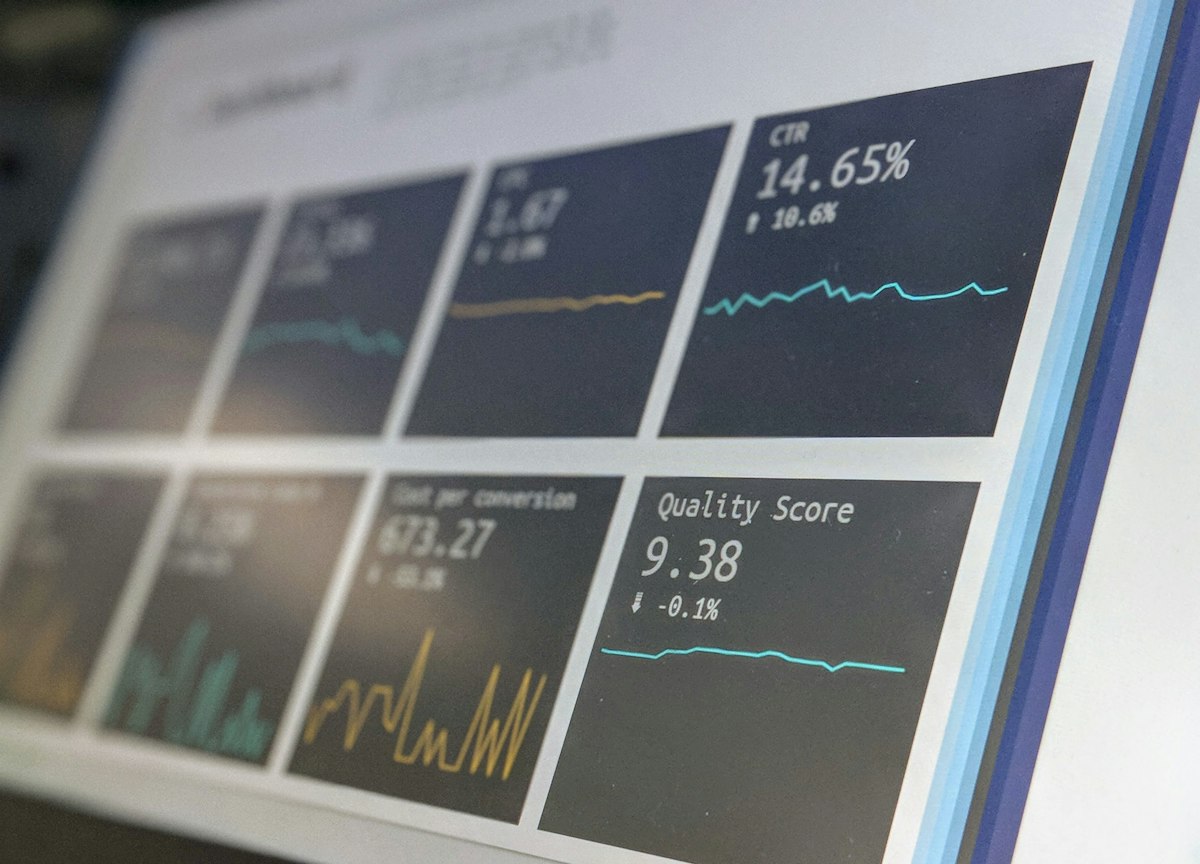
To automate SEO reporting, connect your data sources (Google Search Console, GA4, rank trackers) to a reporting platform, set your metrics and branding, then schedule delivery to clients or stakeholders on a weekly or monthly cadence.
The setup takes about 2-3 hours the first time. After that, the system runs itself.
Here's the practical process that works for agencies managing multiple clients:
Step 1: Centralize your data sources. Connect Google Search Console, GA4, and your rank tracker to one platform via API. Most tools support these natively. This is your single source of truth.
Step 2: Build one master report template. Define the metrics that matter, organic sessions, keyword movement, conversions from organic, page speed scores. Build this once, then clone it per client.
Step 3: Apply white-label branding per client. Your logo, their logo, their brand colors. Clients shouldn't see the tool, they should see your agency delivering value.
Step 4: Set your schedule and delivery method. Most agencies send monthly reports with a live dashboard link clients can check anytime. Automated email delivery at the same time each month sets a professional cadence that builds trust.
Step 5: Add an AI insights layer. The best platforms now generate a plain-English summary of what changed and why, so even if a client doesn't read the full report, they get the headline insight immediately.
What should be included in an automated SEO report?
A complete automated SEO report should include organic traffic trends, keyword rankings with movement, technical health scores, backlink changes, conversion data from organic, and a plain-English summary of wins and next actions.
Most reports include too much data and too little insight. A client doesn't need to see 400 keywords ranked by position. They need to know: did we grow, what's driving it, and what are we doing next?
The sections that consistently drive client retention are:
Traffic overview: Sessions from organic, month-over-month and year-over-year. One number clients immediately understand.
Keyword movement summary: Top 10 movers up, top 10 movers down, new rankings in the top 3. Not a spreadsheet dump, a curated view.
Technical health score: Core Web Vitals, crawl errors, indexation status. A single score from 0-100 is far more useful than a 40-item audit list.
Content performance: Which pages drove the most organic traffic and conversions this month. This connects SEO work to revenue.
AI visibility tracking: Is the site being cited in ChatGPT, Perplexity, or Google's AI Overviews? This is the metric most agencies aren't tracking yet, and it's becoming the most important one.
Next 30-day actions: Three specific tasks tied directly to the data. This is what separates a reporting tool from a strategy partner.

Which tools offer the best automated SEO reporting features?
The best automated SEO reporting tools in 2026 combine white-label client dashboards, API-based data connections, AI-generated summaries, and AI visibility tracking, features you'll find in platforms like Pemba.ai, AgencyAnalytics, and SE Ranking.
Here's a direct comparison of what separates the top tier from the average:
Pemba.ai (US$347-US$697/mo): Built for agencies managing multiple clients. Covers SEO reporting, AI visibility tracking (citations in ChatGPT, Perplexity, Google AI Overviews), content creation, social publishing, and client reporting in one platform. The AI insights layer generates plain-English summaries automatically. White-label ready out of the box.
AgencyAnalytics (~$179-$399/mo): Strong dashboard builder and white-label features. Deep integrations across 80+ marketing platforms. Less focus on AI visibility tracking, which is becoming a major gap in 2026.
SE Ranking ($65-$119/mo): Solid rank tracking and technical audits. Reporting is more manual to configure. Better suited for in-house teams than agencies managing 10+ clients.
Semrush (~$140-$417/mo): Industry-standard data depth. Reporting features exist but feel bolted on. The per-user pricing model gets expensive fast for agencies.
The key differentiator to look for in 2026 is AI visibility reporting. Google is no longer the only search engine sending traffic. If your reporting tool isn't tracking whether your clients appear in AI-generated answers, you're flying blind on an increasingly large portion of the funnel.
How much do automated SEO reporting tools cost?
Automated SEO reporting tools range from $49/mo for basic single-site tools to $500+/mo for full agency platforms with white-label dashboards, multi-client management, and AI features, with most serious agency tools landing between $149 and $400/mo.
The ROI math is straightforward. If you're billing clients $1,000-$3,000/mo for SEO retainers and spending 10+ hours per month on manual reporting, the right tool pays for itself in recovered time alone within the first week of use.
For agencies managing 5 or more clients, spending less than $150/mo on reporting is a false economy. Cheap tools either lack white-labeling (your client sees someone else's branding), require too much manual work to configure, or don't connect the data sources you actually need.
For small businesses running their own SEO, tools in the $49-$99/mo range like Mangools or a lite plan from SE Ranking are sufficient. You need rank tracking and traffic trends, not a full client dashboard suite.
For entrepreneurs and consultants building a personal brand, the reporting needs are simpler, but AI visibility tracking is non-negotiable. Your audience is searching ChatGPT for your category. You need to know if you're showing up there.
The fastest way to see where your site currently stands, rankings, technical health, AI visibility, is to run a free audit. It takes 30 seconds and shows you exactly what your automated reports should be measuring.
Run your free SEO audit at pemba.ai/free-audit and see the gaps your current reporting is missing.
Frequently Asked Questions
What are automated SEO reports and why do you need them?
Automated SEO reports are software-generated documents that pull live data from your site, rankings, and analytics on a set schedule, no manual work required. Agencies need them to save 10+ hours per month, eliminate reporting errors, and deliver consistent client communication that builds retention.
How to automate SEO reporting for your website?
Connect Google Search Console, GA4, and your rank tracker to a reporting platform via API. Build one master template with your key metrics, apply white-label branding, then schedule automated delivery monthly. The full setup takes 2-3 hours once and runs itself after that.
What should be included in an automated SEO report?
A strong automated SEO report includes organic traffic trends, keyword ranking movement, technical health scores, backlink changes, conversion data from organic, AI visibility tracking, and a plain-English summary with next actions. Skip the data dumps, clients want insights, not spreadsheets.
Which tools offer the best automated SEO reporting features?
Pemba.ai, AgencyAnalytics, and SE Ranking lead the field for agencies in 2026. The critical differentiator is AI visibility tracking, whether the tool shows you if your clients appear in ChatGPT, Perplexity, and Google AI Overviews, not just traditional search rankings.
How much do automated SEO reporting tools cost?
Expect to pay $149-$499/mo for a full agency-grade automated SEO reporting platform with white-labeling and AI features. Basic single-site tools start around $49/mo. For agencies managing 5 or more clients, investing in the $149+ range pays for itself in hours recovered within the first month.